
THE LAND OF STILL CLOUDS
3’00”
A short documentary-style film about stories from the Border Roads Organisation (BRO), who lead construction work in the Himalayas, 5000m above the nearest city.
INTERVIEW FROM NOWNESS ASIA
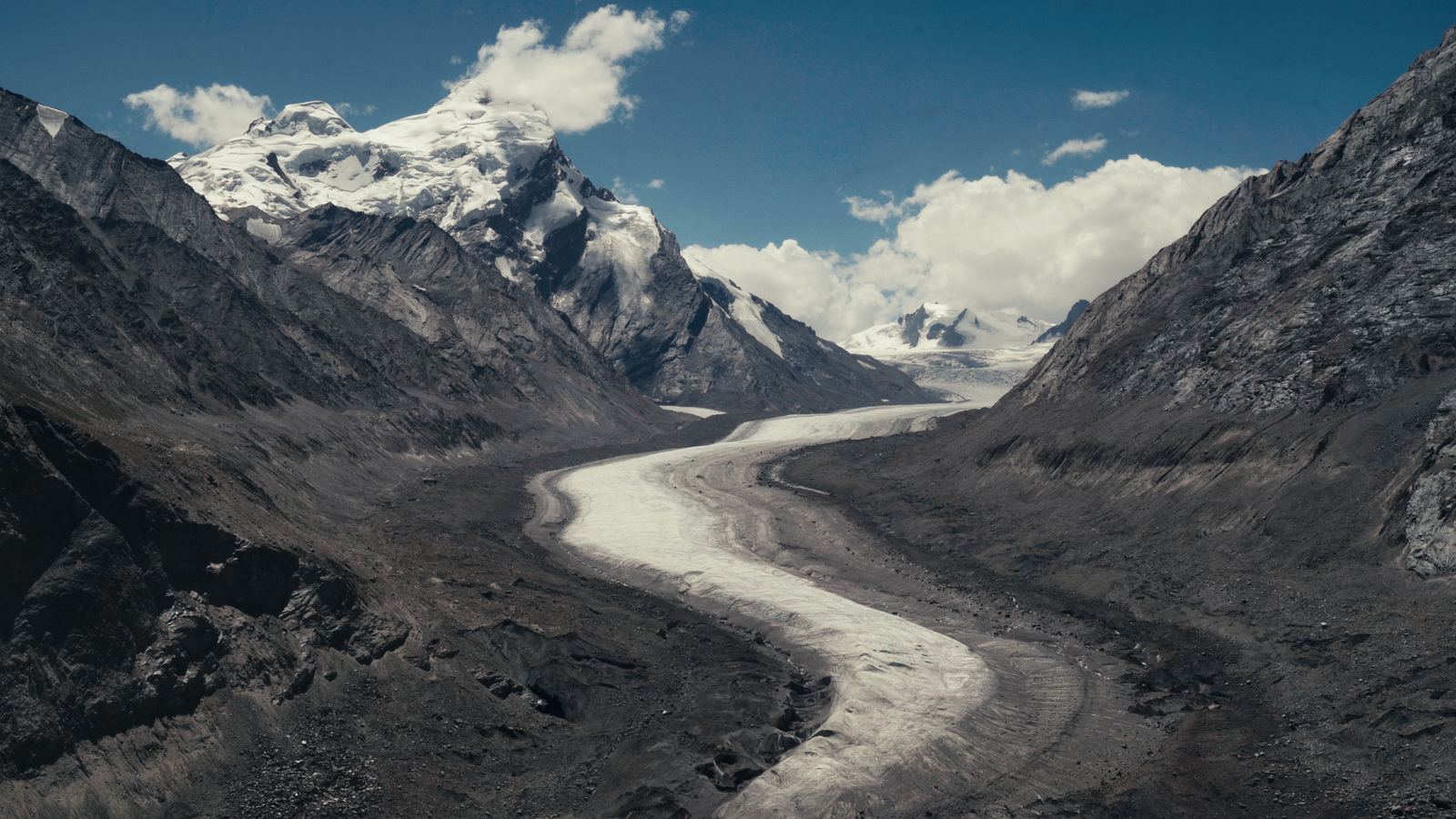
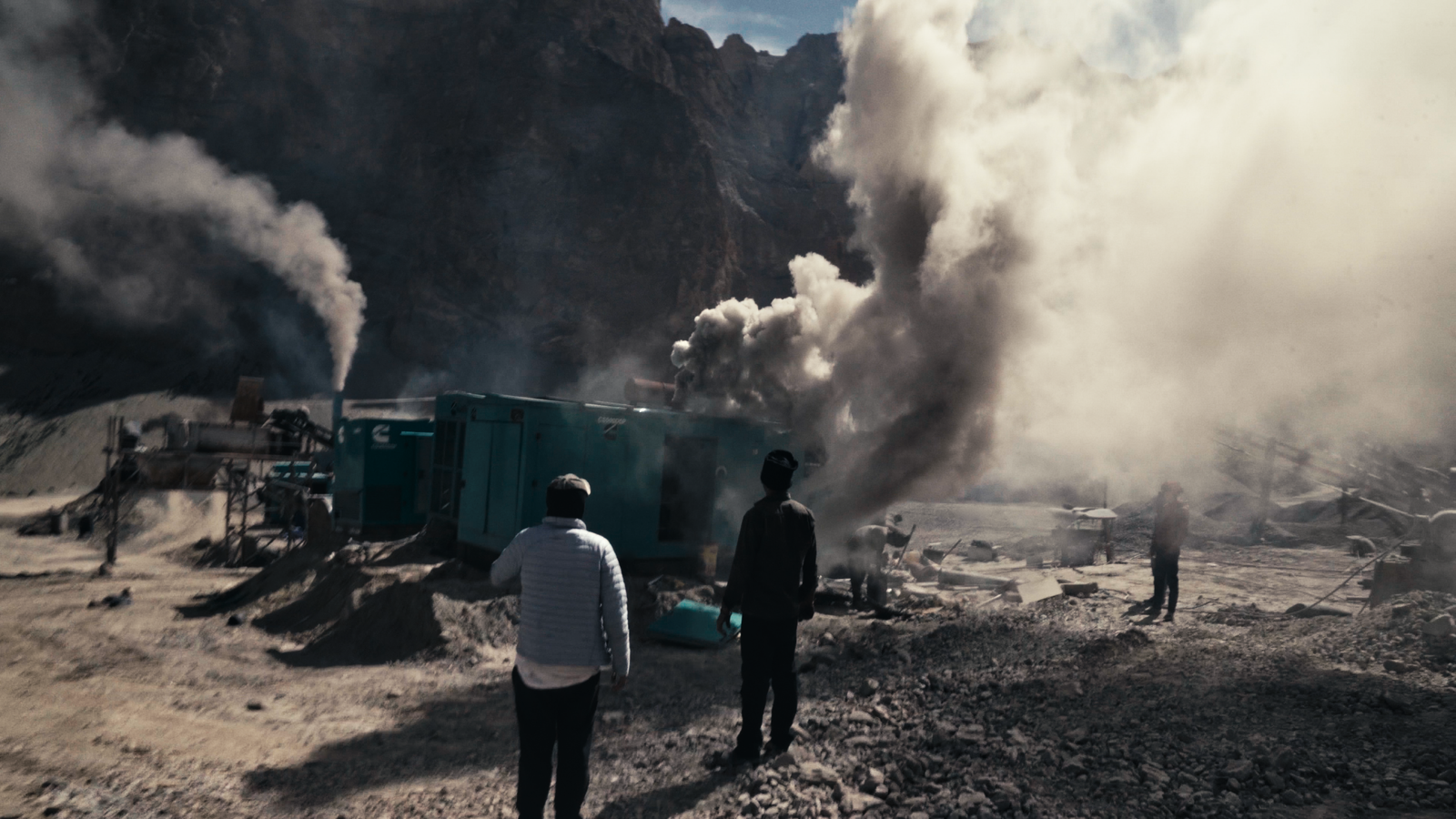
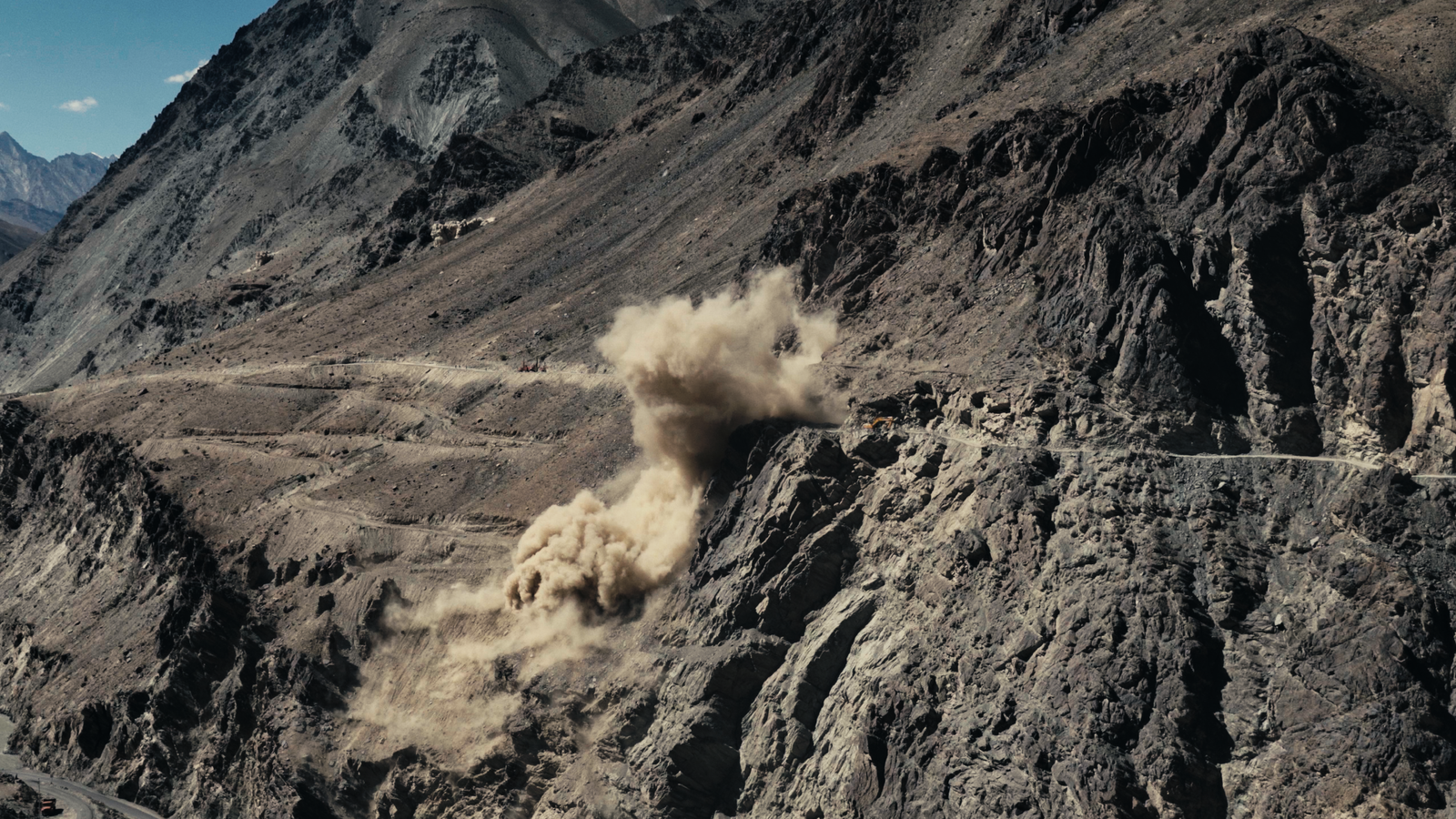
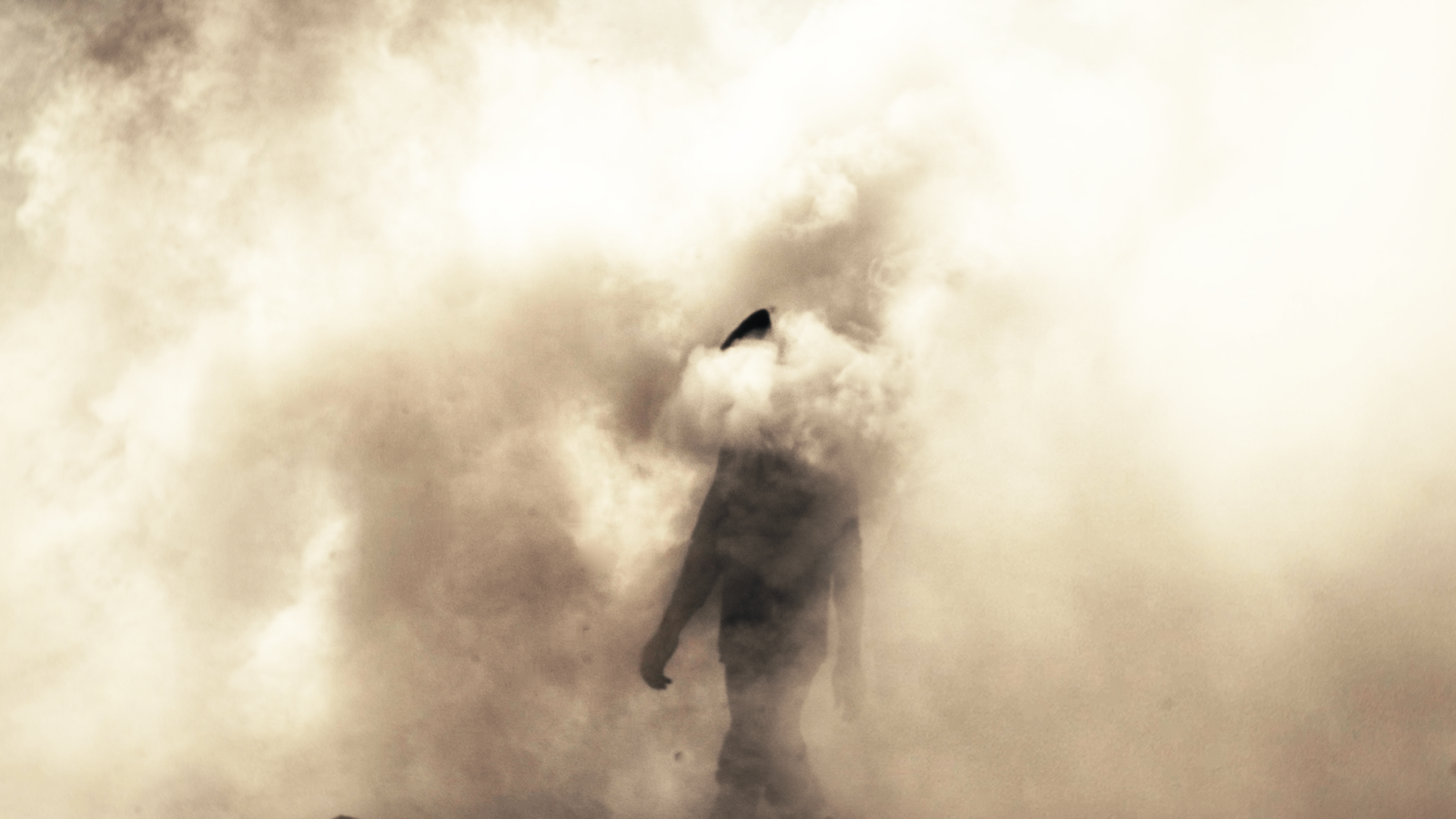
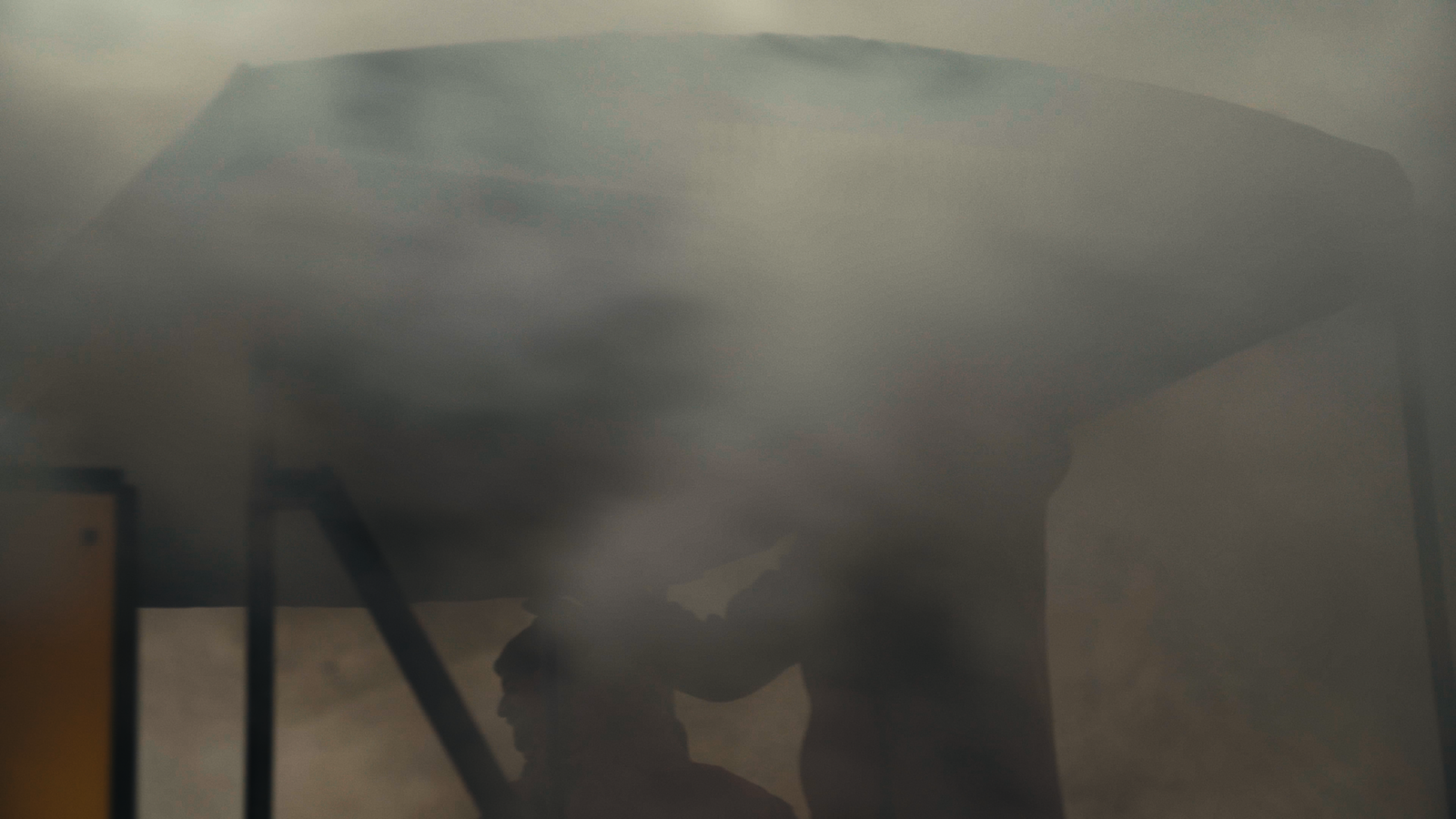
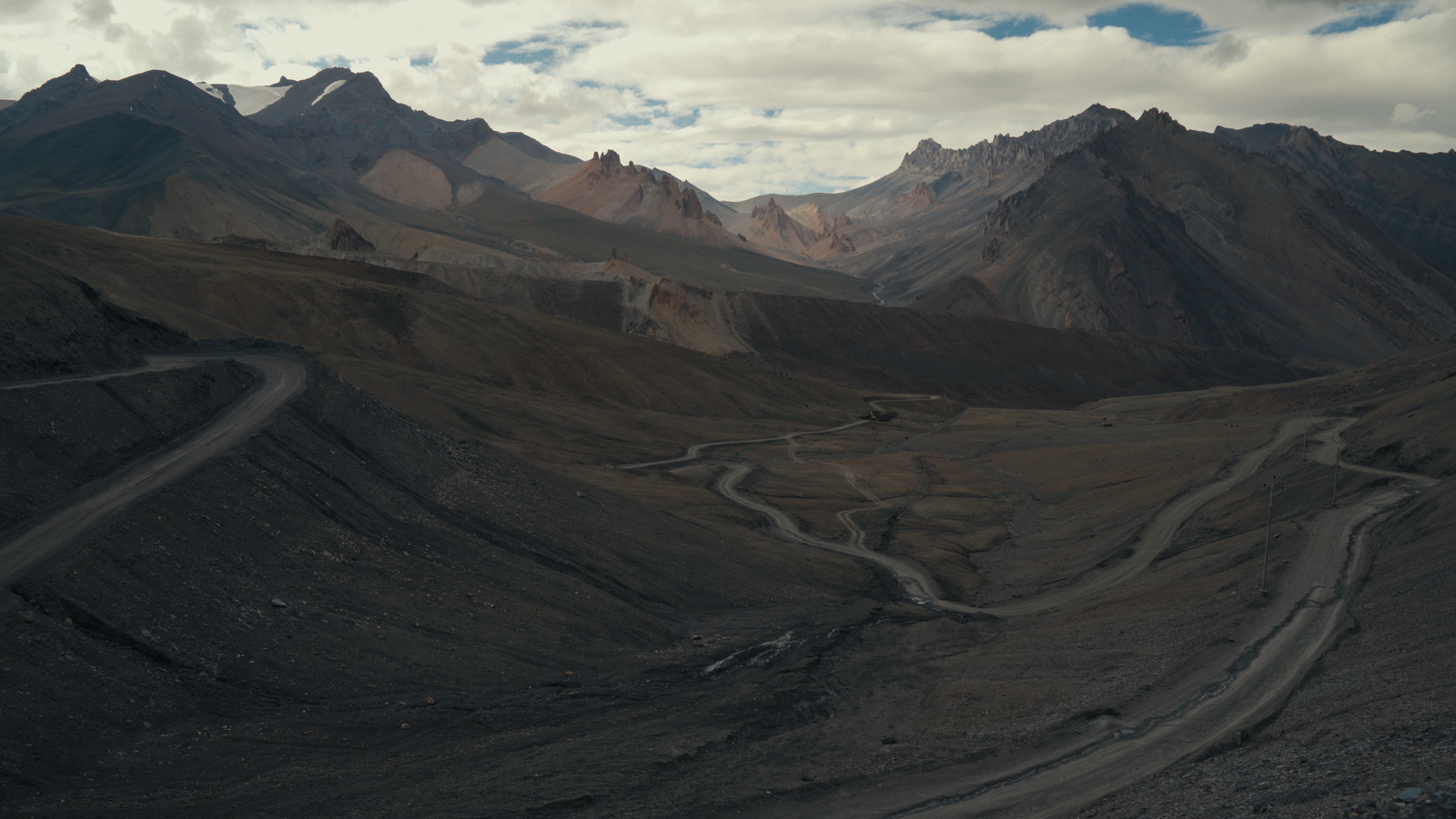
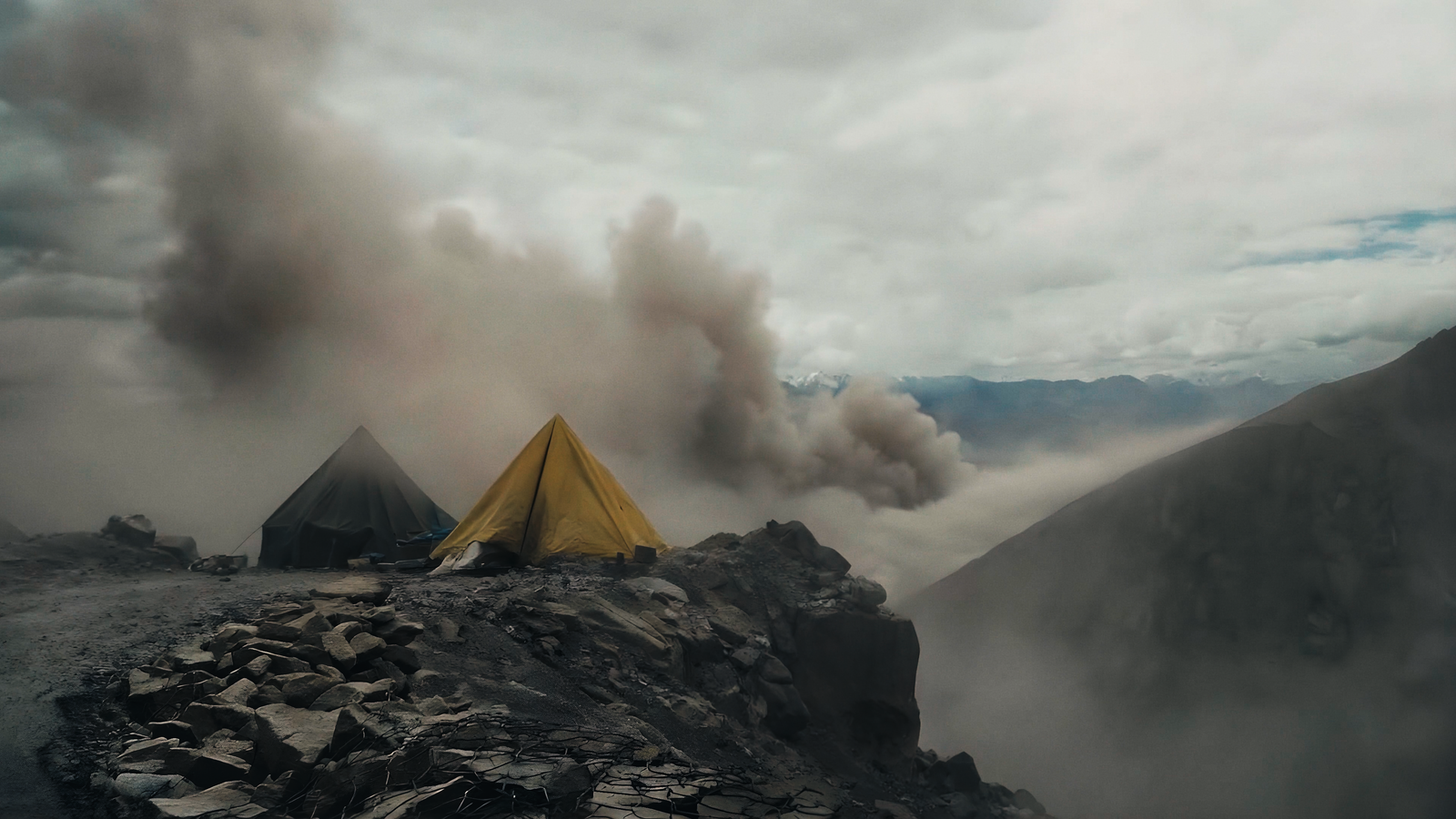
In September 2024, director Niccolò Donatini travelled with a small crew across the Himalayas for a branded campaign. Above the city of Leh within Ladakh, Northern India, he discovered the brutal conditions of infrastructure construction at an altitude of 5,600 meters. The footage he captured inspired a documentary based on orographic or lenticular clouds, which appear suspended as they regenerate, and the puffs of smoke from dynamite explosions, which seemed to him to be the only movement in these Himalayan skies.
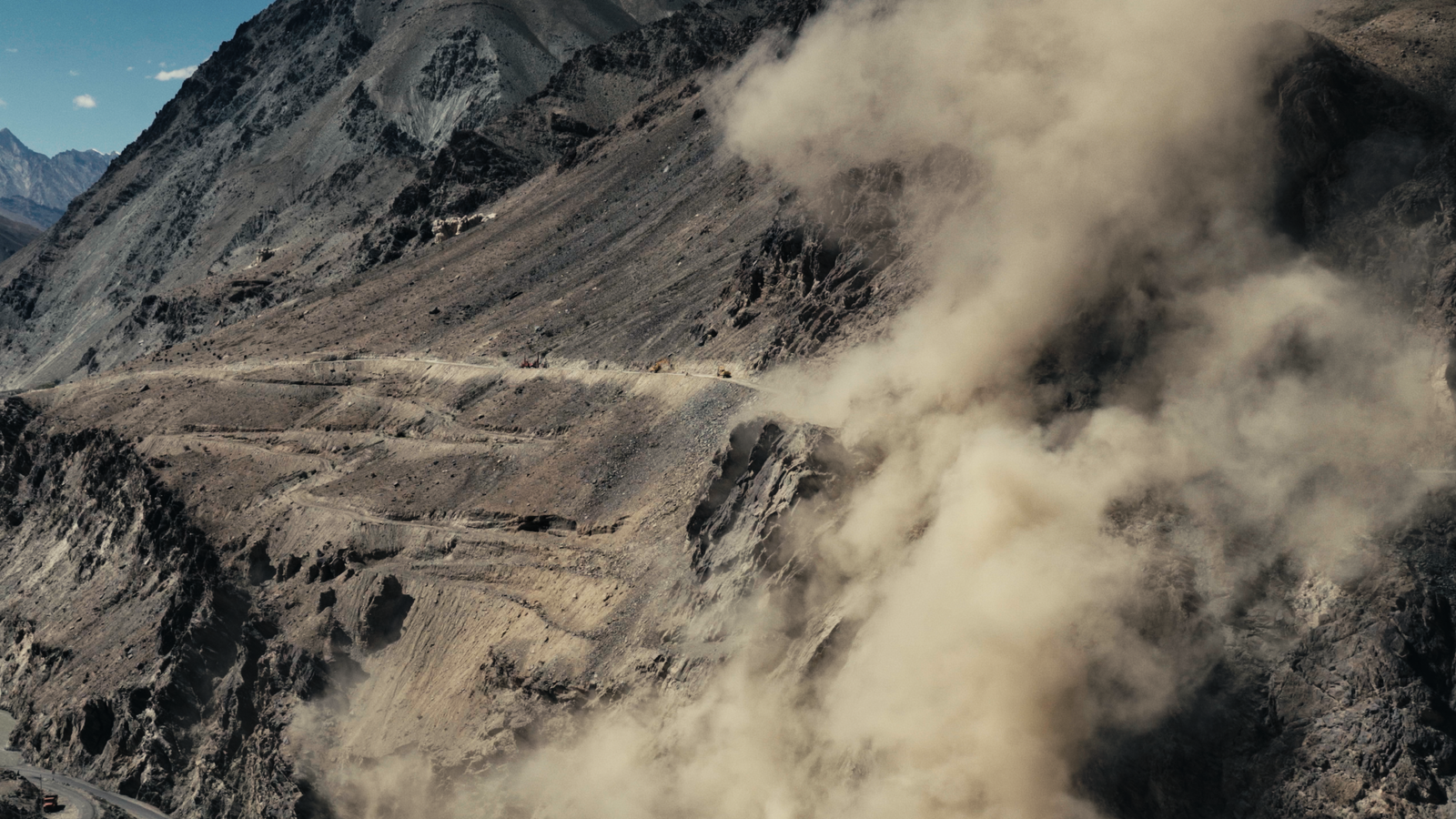
These blasts were to clear mountain passes, and the community responsible for the new roads taking their place was the B.R.O., which stands for Border Roads Organisation—a government agency responsible for building and maintaining roads and infrastructure in India’s mountainous regions.
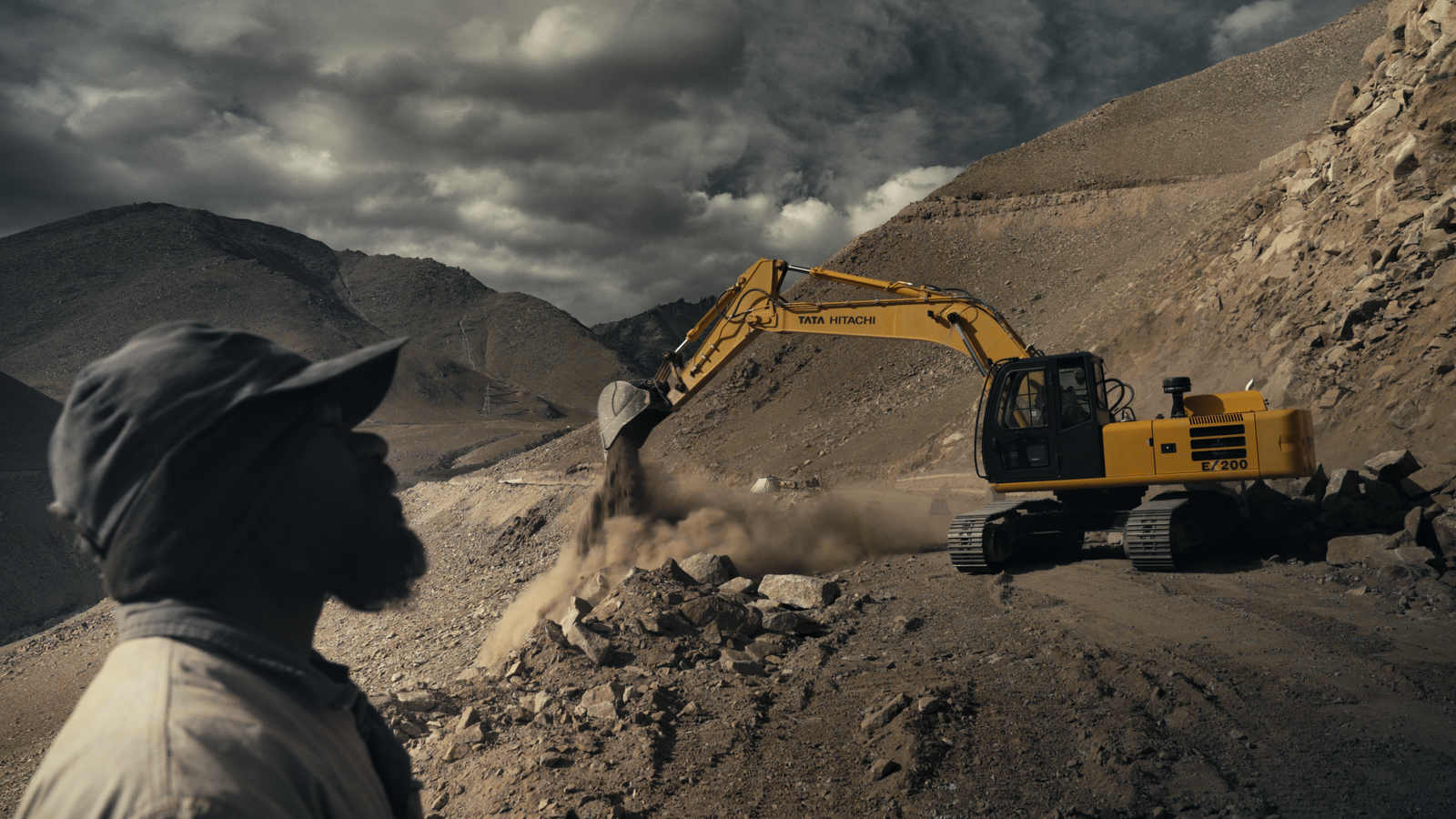
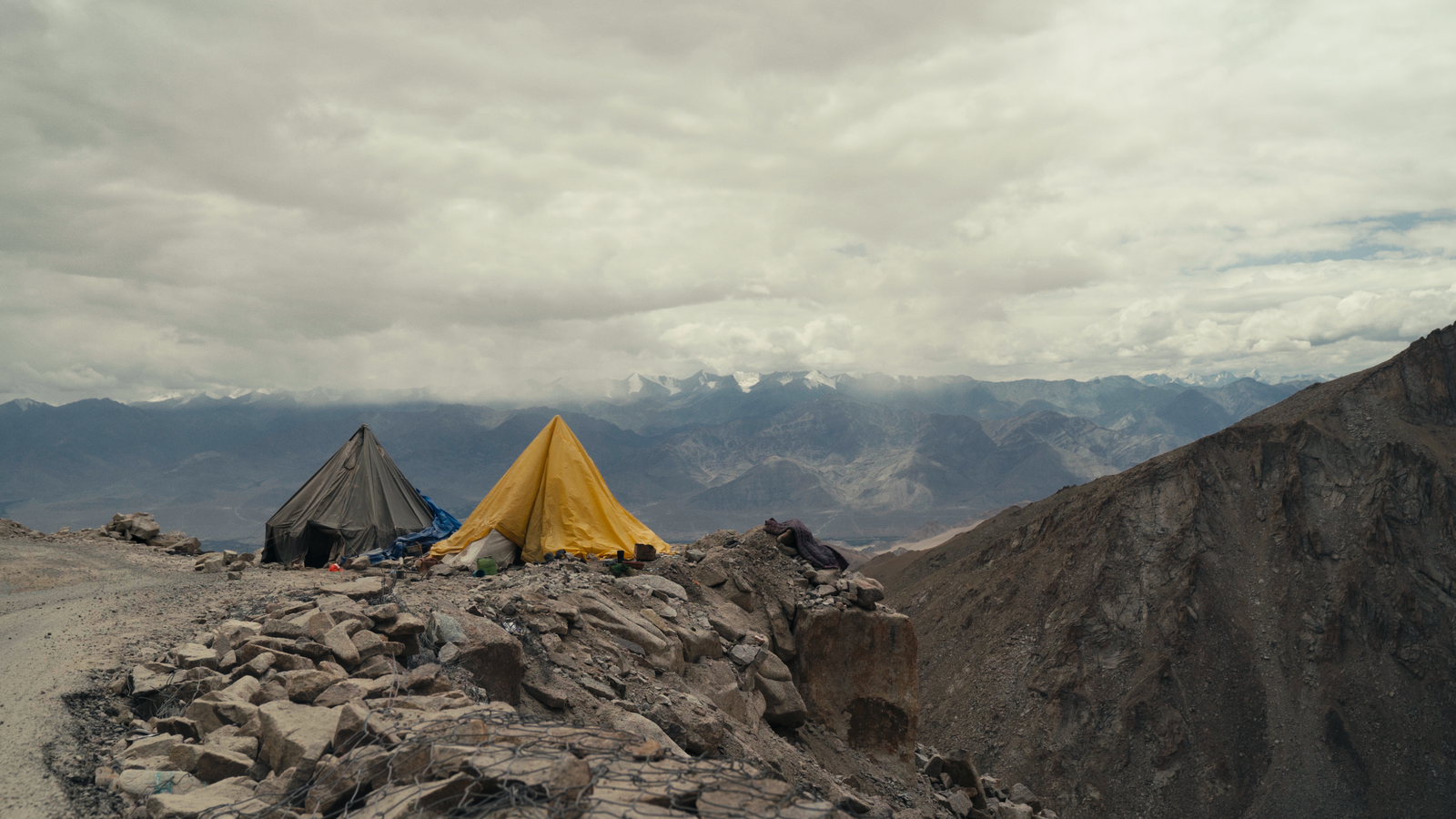
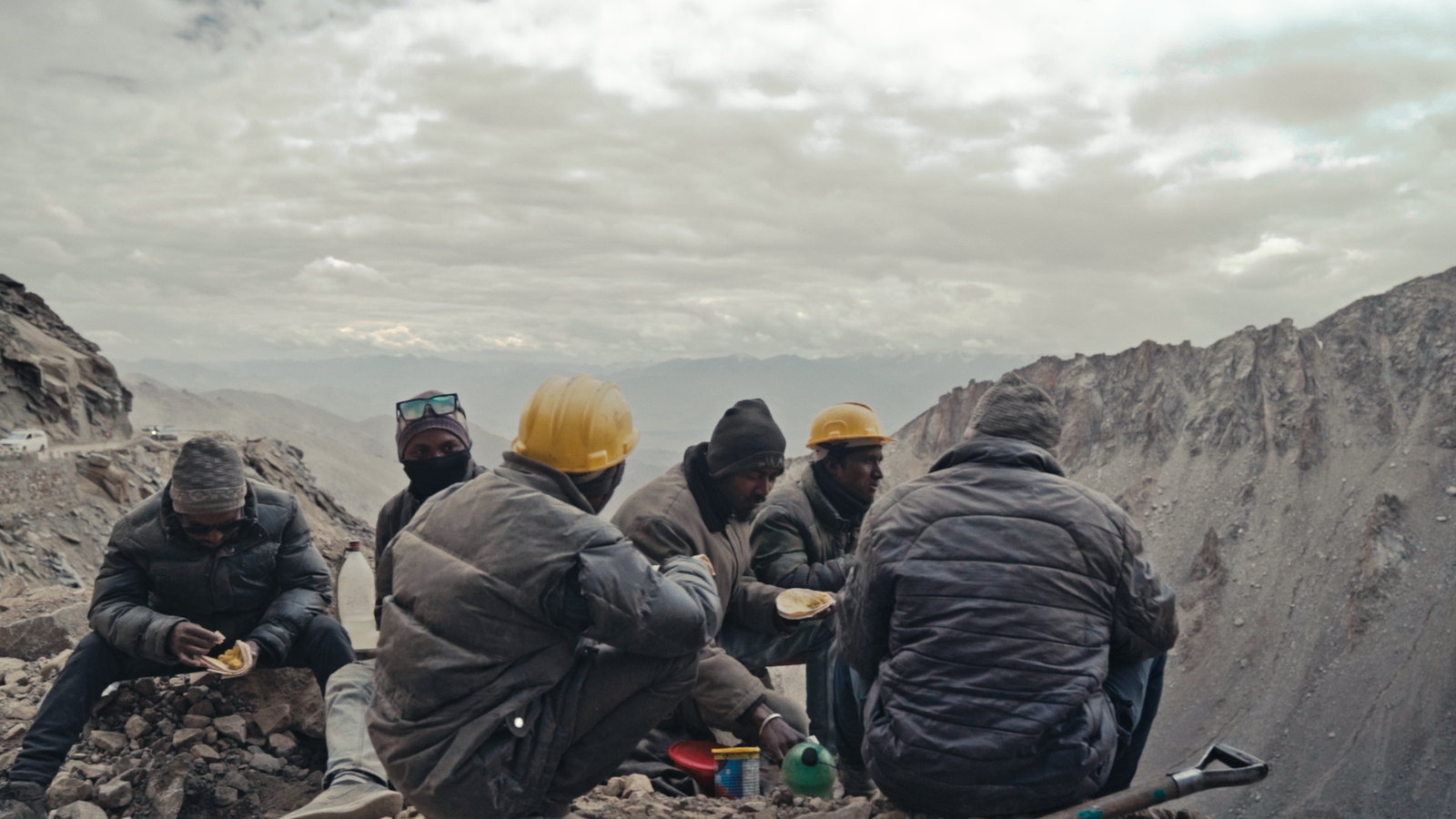
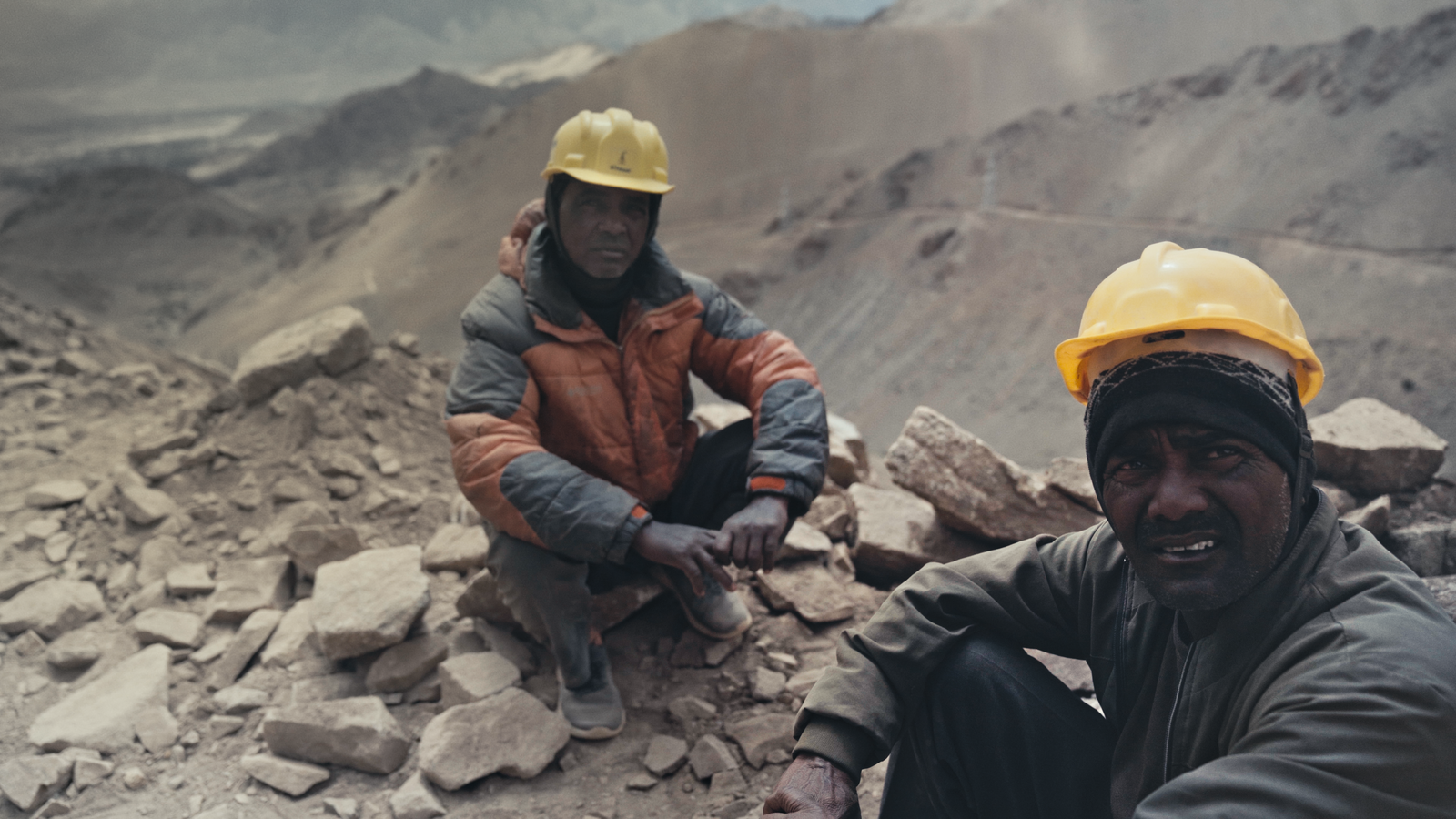
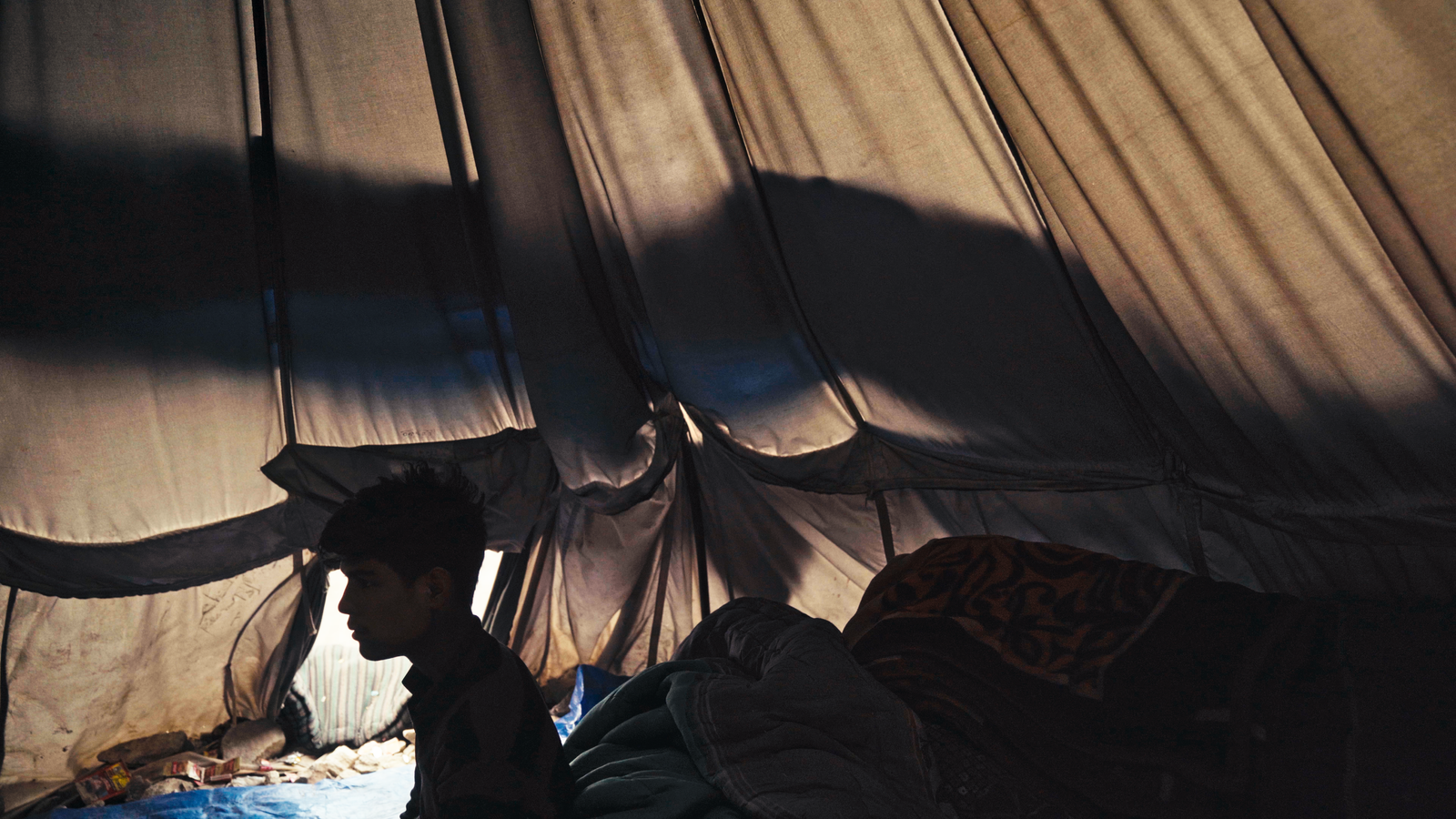
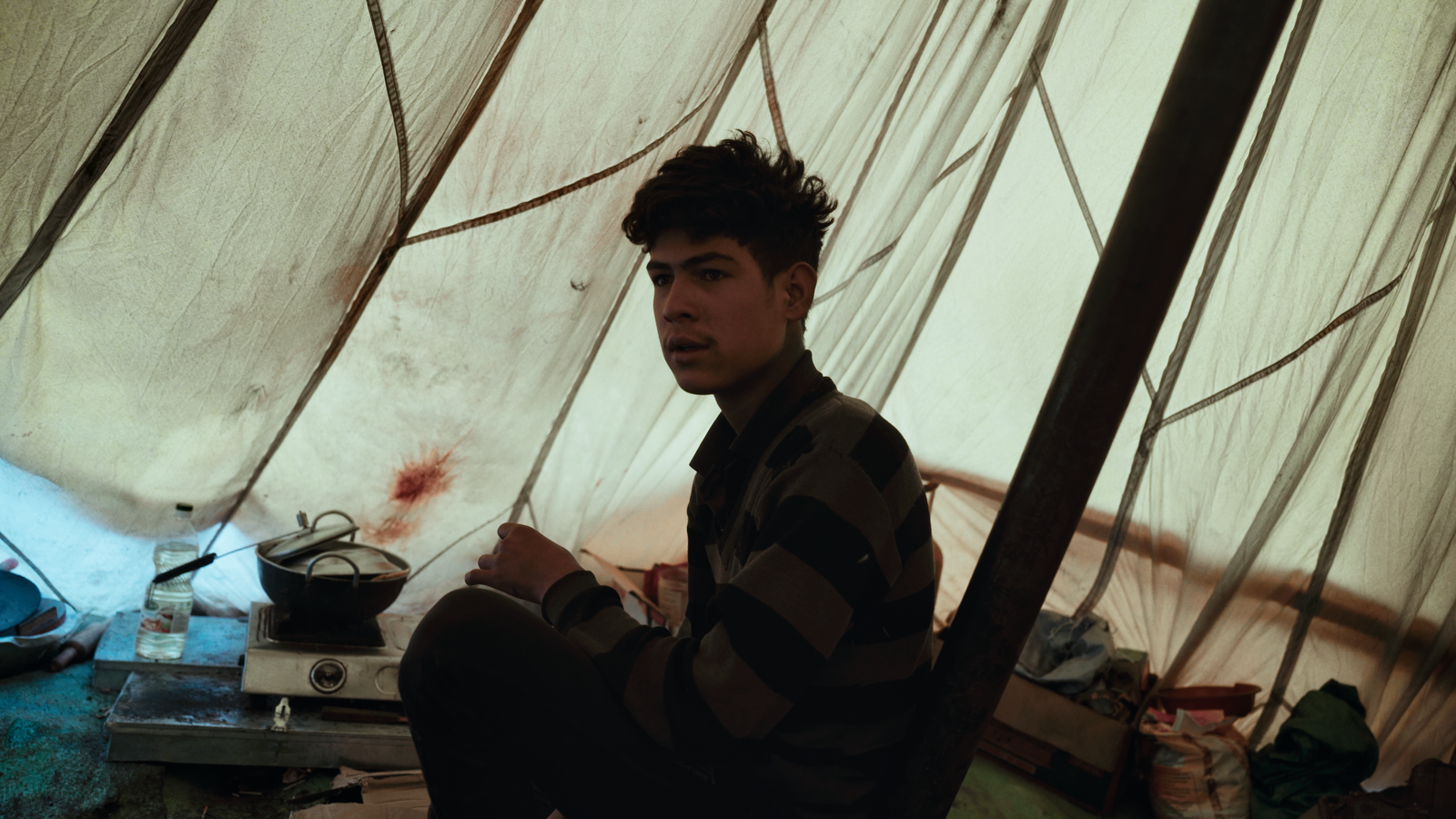
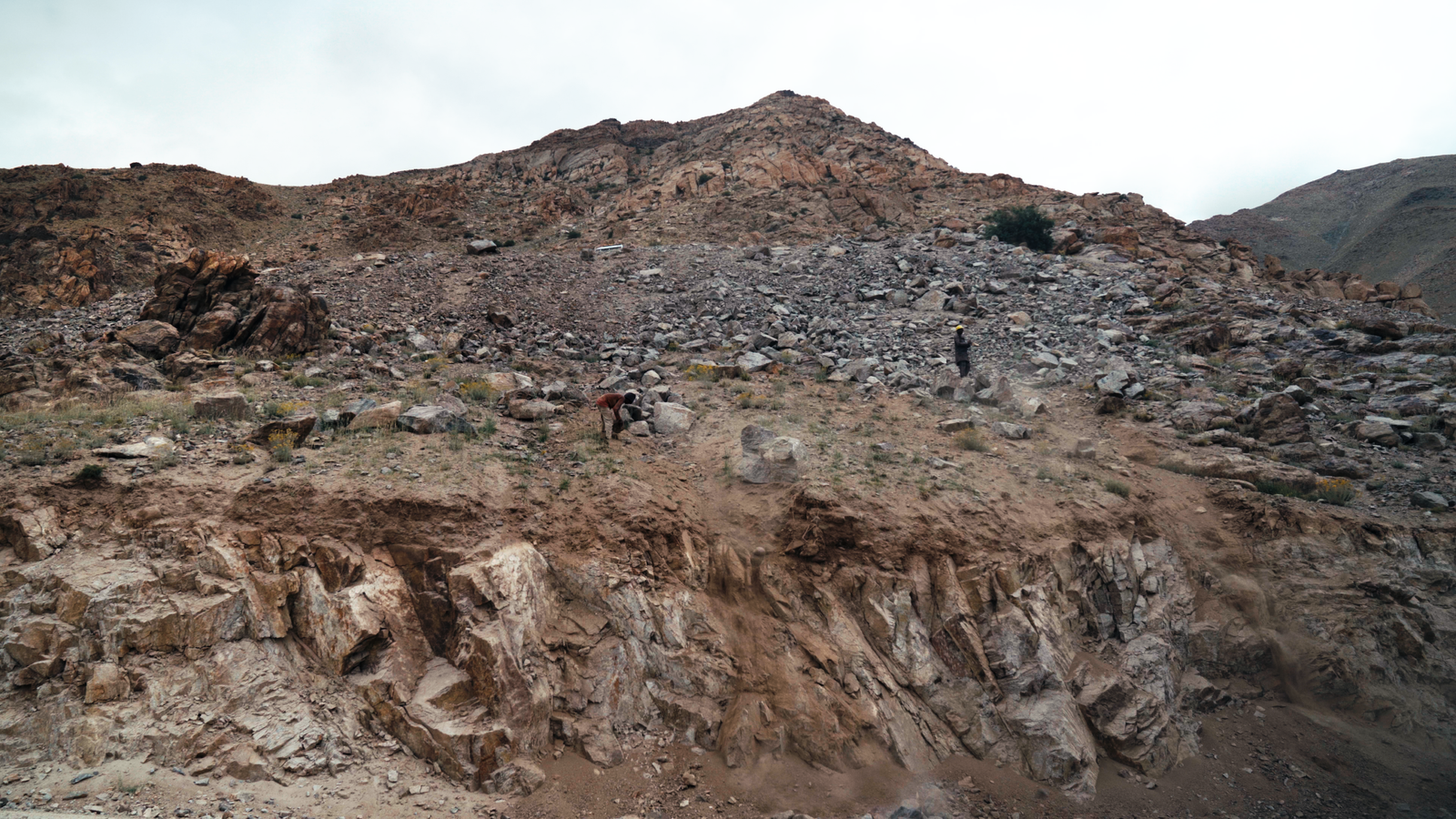
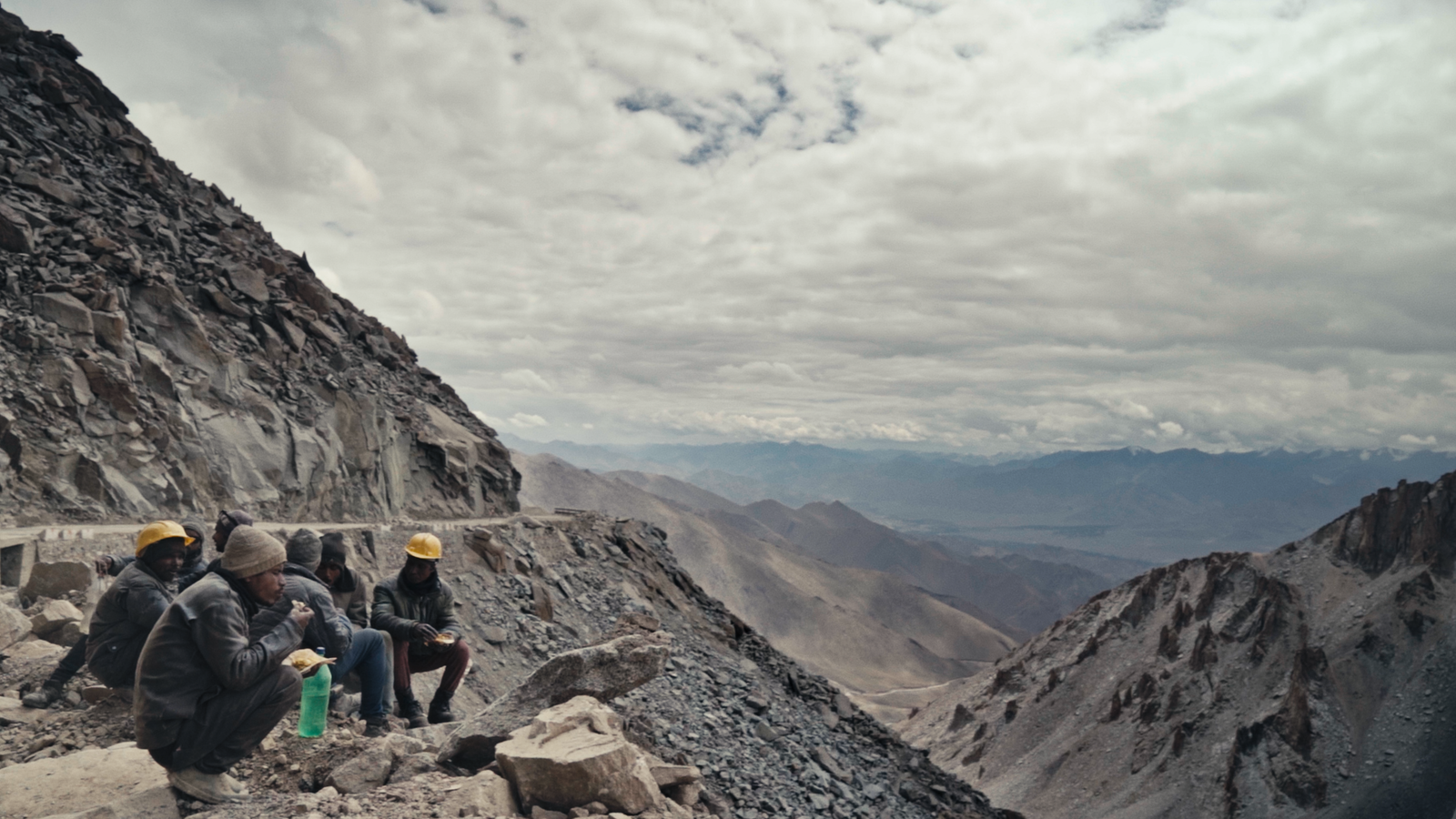
They first encountered BRO at a roadblock; there had been a landslide, and excavators were clearing the path. These workers manoeuvred around steep slopes, even Donatini himself was afraid to peer over. Some of them would spend 6-8 months above 5000m, living in tents, and taking on responsibilities such as cooking, drilling for scientific research, or extracting valuable minerals. Donatini’s fascination with the dangerous conditions of their work produced an interesting tension with the breathtaking landscape of this region’s renown.
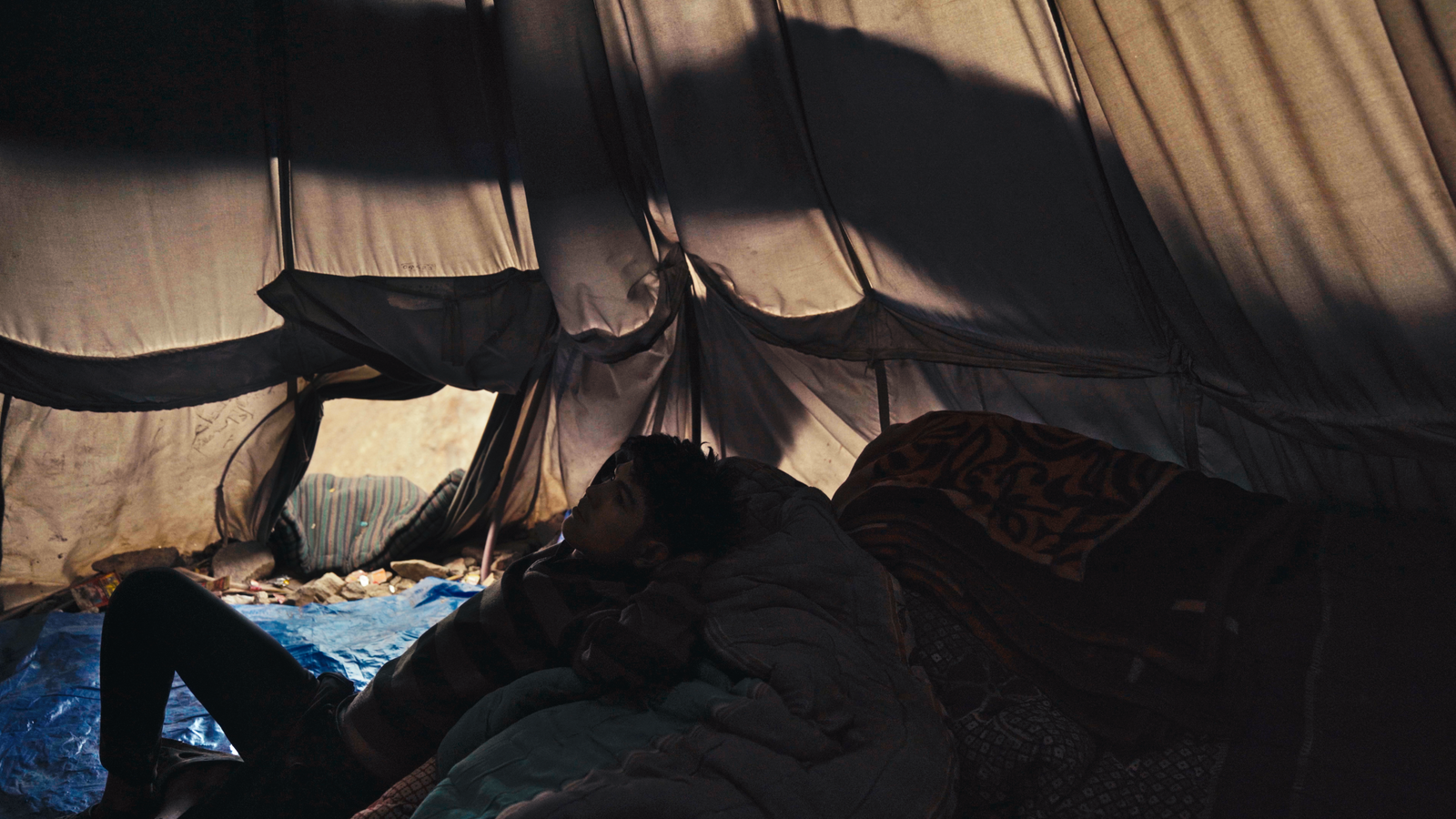
Himanshu, whose conversations with Donatini inspired the narration, was in charge of cooking. Himanshu was 16 years old at the time of the shoot. Lighting a cigarette, he told Donatini that he took the job to see the world, earn some money, and relieve the boredom he felt back home. The day they recorded the interview was coincidentally the crew’s last day—they had finished drilling and would move on to the next.
A local translator helped Donatini with interviews of several of the groups that appear in the film, comprising around an hour of conversations. The narrator in the film was generated using AI, based on these interviews, approximating the local language and the tone of Himanshu. This generated a diary-like monologue, which included some lines added for narrative and dramaturgical purposes. The result is a voice that “felt intentionally fictional while still grounded in reality. “
“I wasn’t interested in fabricating testimony, but rather in transforming what first appears to be a real account of a journey into something more intimate and internal.”
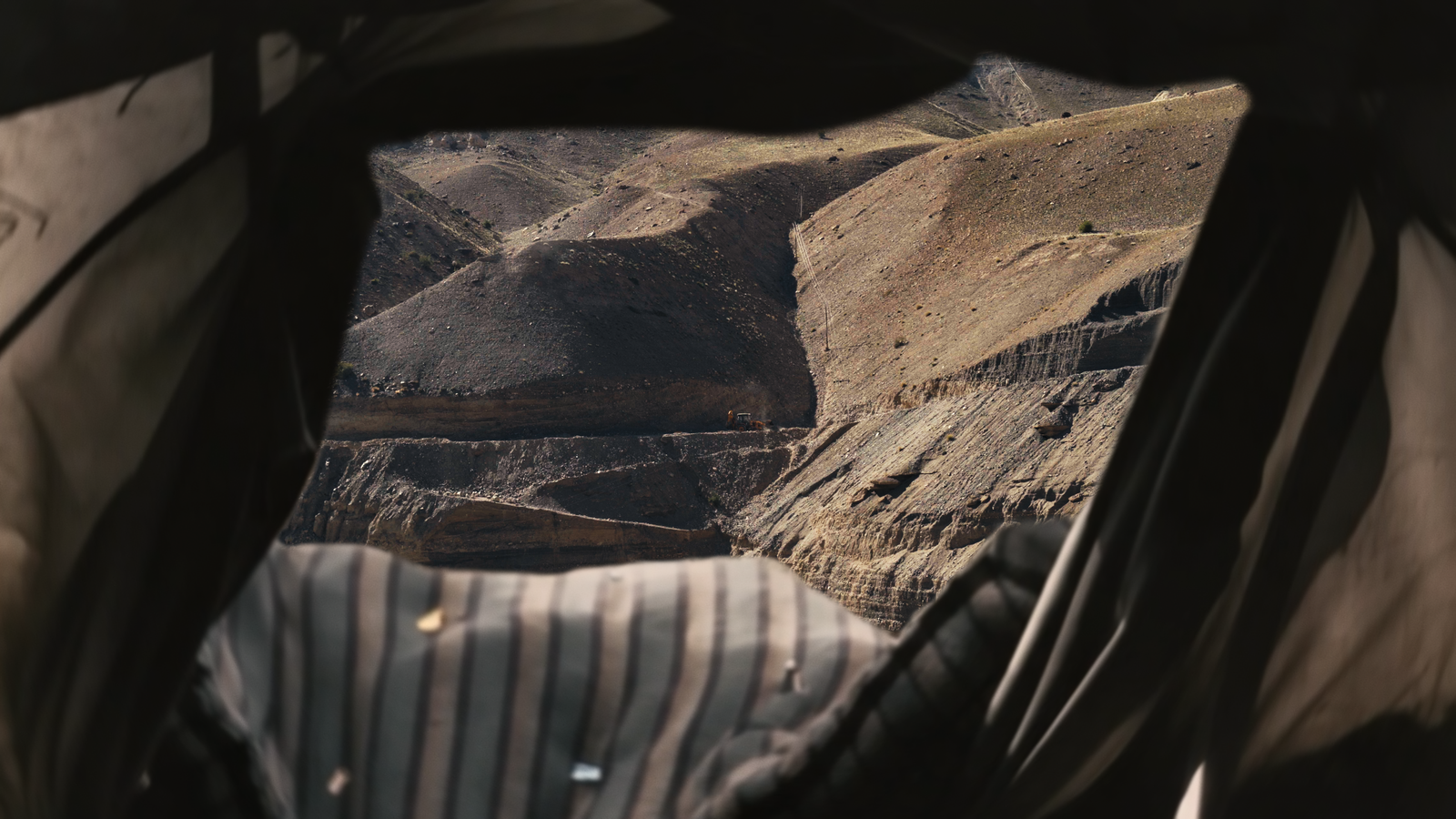
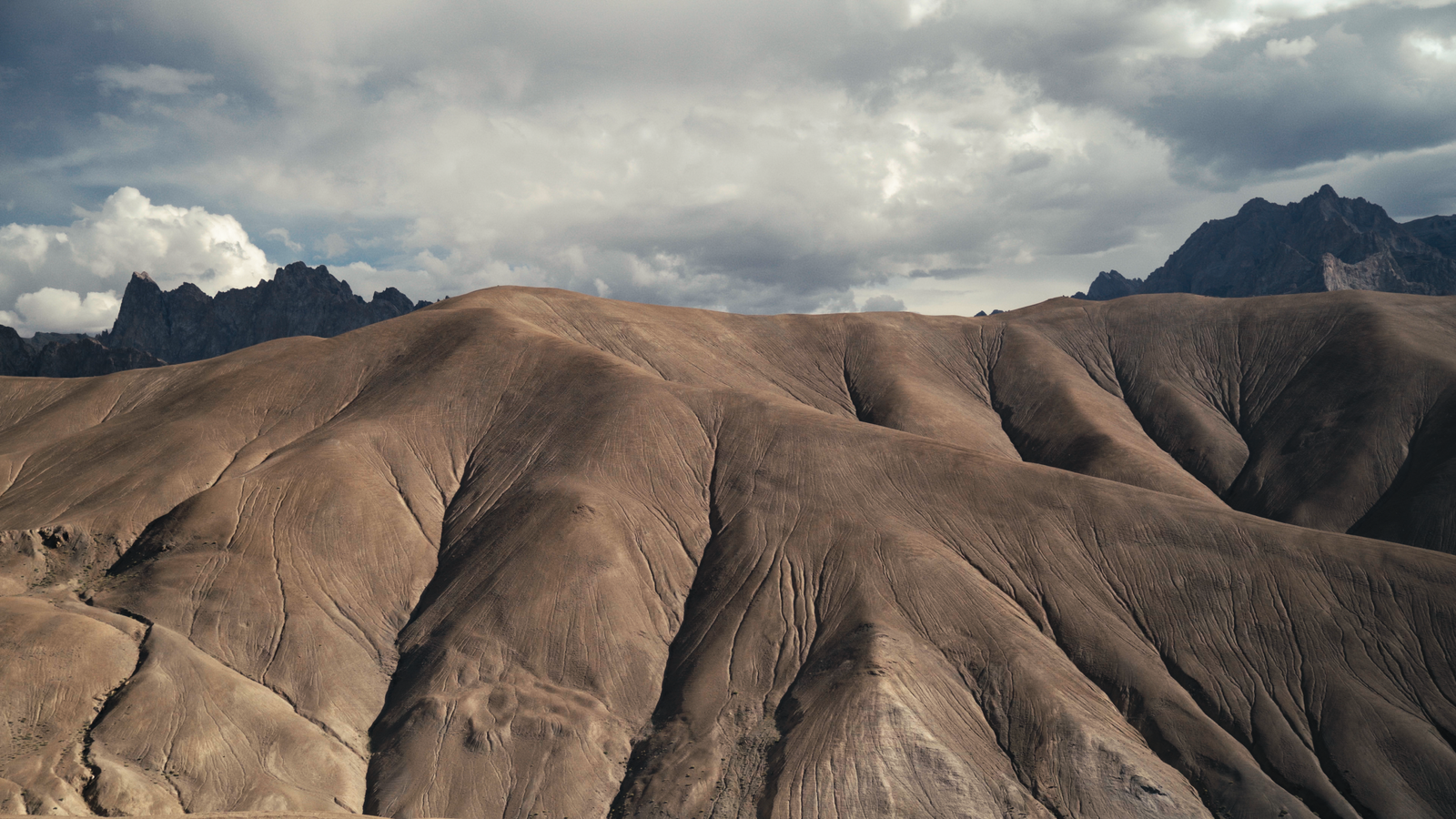
Visually, Donatini focused on human intervention rather than geology. From clearing rocks with bare hands, to streams of sand that looked like “folds in a pillow”, the valley appeared “impossibly soft”. Drill holes became connective tissue, reinforcing the idea that mountains “preserve the echoes of the people who came before us”.
Static tripod shots, with a high horizon line and very wide focal lengths, convey the “overwhelming scale” of the place. ND filters flattened the depth of field, making visible the sheer vastness of perspectives from that altitude. Some of Donatini’s inspirations revolve around minimalist aesthetics, drawing him to long takes and expanded durations, and static framing—all while transforming emptiness into something meaningful.
Among the more well-known filmmakers, Apichatpong Weerasethakul, Tsai Ming-liang, Lav Diaz, and Wang Bing shaped how he interpreted the landscape as more than just a backdrop. He also drew from Mother Lode by Charlton Heston and its ability to immerse viewers in an unfamiliar world, as well as the explosion sequences in Prayers for the Stolen by Tatiana Huezo.
“I wanted to make a film in which the landscape and the mountains themselves would become the protagonists.”
But shooting had occurred during a literal ticking time bomb. One day, Donatini and the team were warned by a B.R.O worker that dynamite would be detonated soon. They quickly positioned themselves on the opposite mountainside about half a kilometer away from the detonation site and watched the destruction within the hour. After returning home, he discovered the file had been corrupted and no longer had audio; yet, he made do.
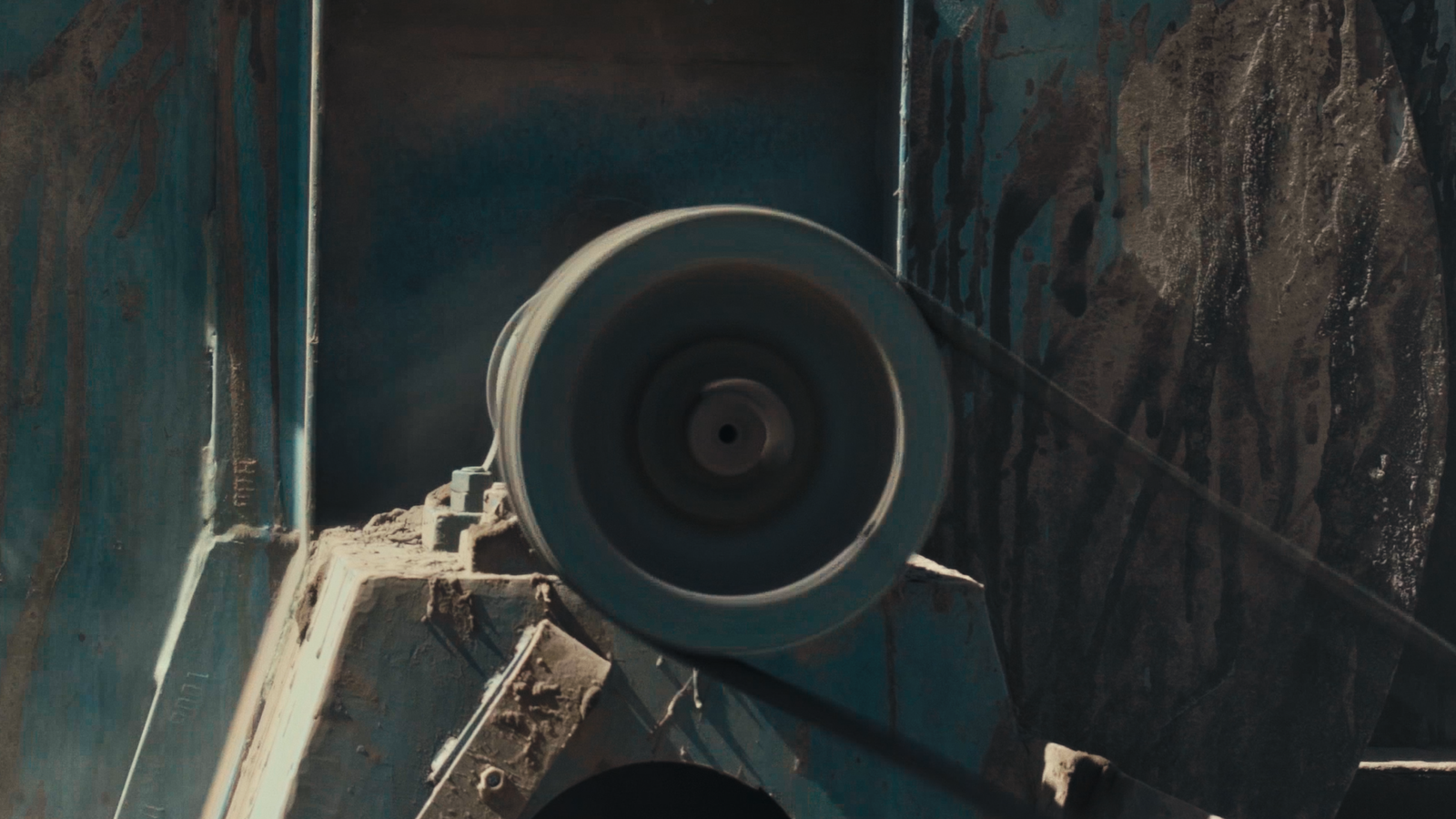
Donatini shares that the altitude and lack of oxygen were among the most challenging conditions of the shoot. So was transporting equipment via motorcycle, fine dust finding its way everywhere, and communicating with the locals. Keeping the tripod ready-to-use while riding the motorcycle had been tricky as well. Donatini travelled light for this production: only carrying a small backpack full of camera equipment, a tent, sleeping bags, and plenty of spare fuel for the 16 days on the back of a motorcycle.
Producer Francesco Crespi supported with equipment and liaised with the client who commissioned the project, enabling Donatini to produce an “authorial” piece supported by a brand. Writer Giorgia Cappello developed a coherent and concise narrative structure from Donatini’s large amount of material from the shoot. Jack Bailey, a still photographer, drew Donatini’s attention to the clouds, constantly filming and taking photographs of them. Sound designer Tommaso Barbaro created a “breath” of the mountain during one of his experiments, and made it seem like they were emerging directly from the drill holes inside the rock.
Donatini will soon start production on another documentary project in Tajikistan. He’s also in post-production of his first feature-length documentary, The Lobster (L’Aragosta), about the life of the renowned artist and photographer Jacopo Benassi. At the same time, he’s in pre-production for his next short film, a contemporary reinterpretation of a myth, to be shot — for his first time — on 35mm in Syracuse with Terre di Cinema.
Directed by Niccolò Donatini
Produced by Basement HQ and Altra Marea
With the support of Unimatic Watches
with Himanshu Singh
Written by Niccolò Donatini and Giorgia Cappello
Still photography by Jack Bailey
Edited by Niccolò Donatini
Colorist Paolo La Naia
Sound design & mix Tommaso Barbaro
Post Audio Full Code
Translated by Bhavika Karwarkar, Manish Sharma
Bike rent Ladakh Ultimate Destination
Fixer Chalo Prasanth
World Premiere on Nowness Asia
Category:
Date:
21 May 2026